Industrial Utility Efficiency

Industries

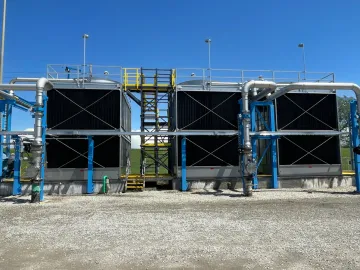
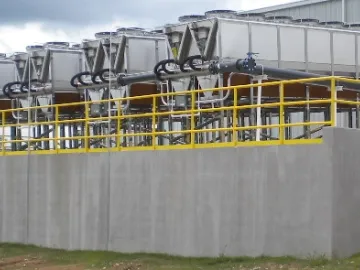
Adiabatic coolers are rapidly gaining ground in plastics processing as manufacturers seek sustainable, energy-efficient alternatives to traditional cooling towers. By operating in dry, adiabatic and free-cooling modes, modern systems engineered by Frigel North America deliver up to 90% water savings, lower energy consumption and improved temperature stability for injection molding, PET, extrusion and thermoforming applications. With reduced maintenance, closed-loop protection and long-term ROI advantages, adiabatic cooling is emerging as the new benchmark for high-performance industrial process cooling.

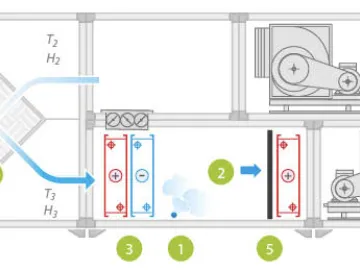
Current ventilation guidelines recommend maintaining ventilation with 100% outdoor air 24/7, or as much as possible if that is not feasible, as an effective way to keep airborne pathogen concentration under control. Obviously, outdoor air needs to be filtered and conditioned to guarantee the indoor temperature and humidity set points; this, in turn, implies a higher HVAC-related primary energy consumption, because more outdoor air needs to be conditioned compared to the pre-COVID-19 situation, when the flow of outdoor air was typically 20% of the total supply air entering the space.  

Food

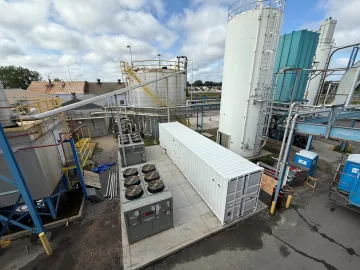
Bayer Crop Science runs a 240-acre fertilizer production facility with areas for active ingredient

Beverage

Faced with the requirement for improved cooling, a blow molding plant chose to invest in a

HVAC

Current ventilation guidelines recommend maintaining ventilation with 100% outdoor air 24/7, or as

Metalworking

In this article:Cooling for High-Speed Injection Plastic MoldingFree Cooling Results in Massive

Medical

Like many universities across America, The University of Cincinnati had a major challenge having to

Manufacturing

This article details how Schneider Electric transformed waste heat into a reliable energy source at

Plastics and Rubber

An automotive fabric products manufacturer, reduced natural gas consumption and carbon emissions by